
How Many Cameras Does Your Business Video Surveillance System Actually Need?
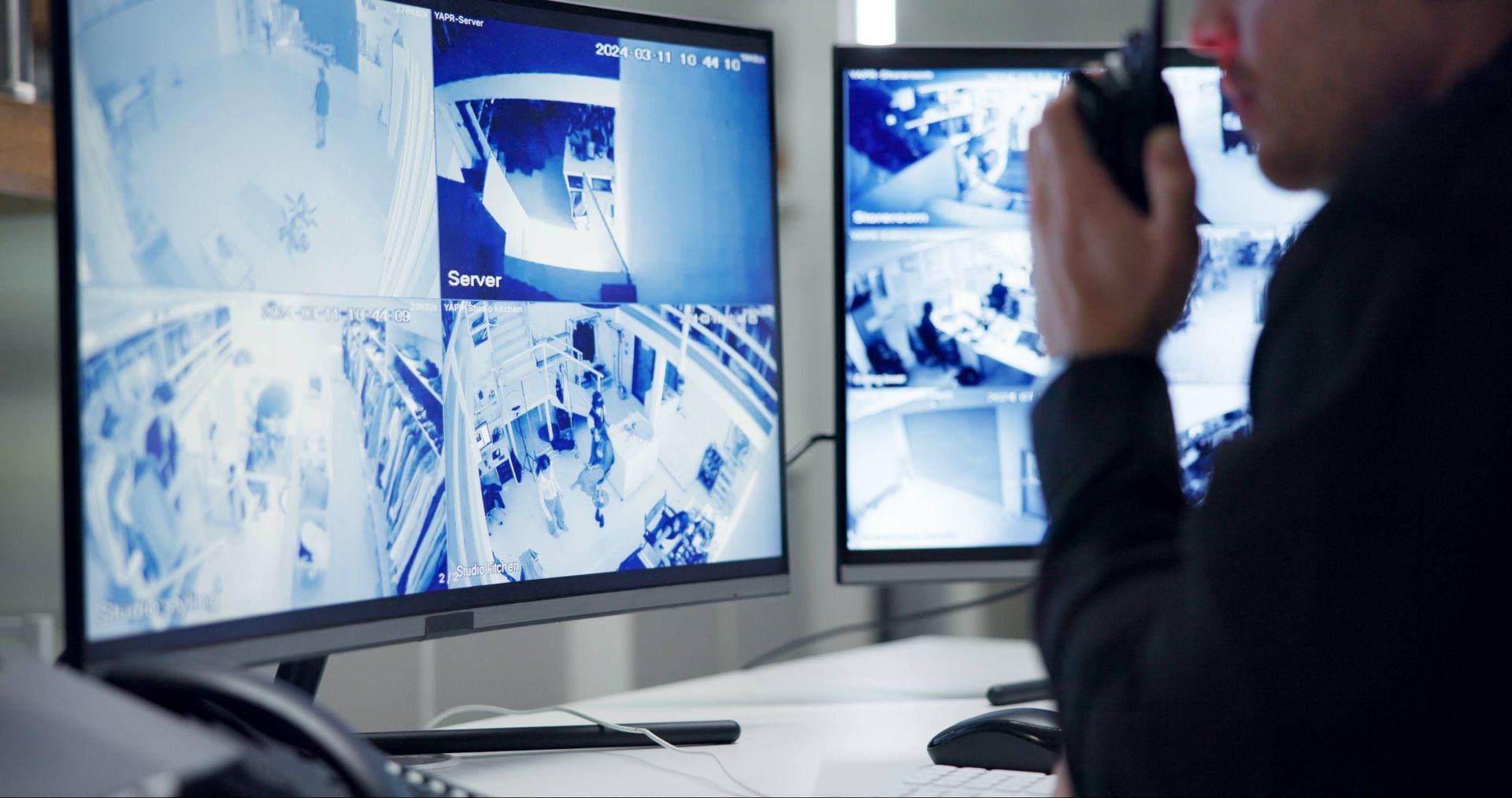
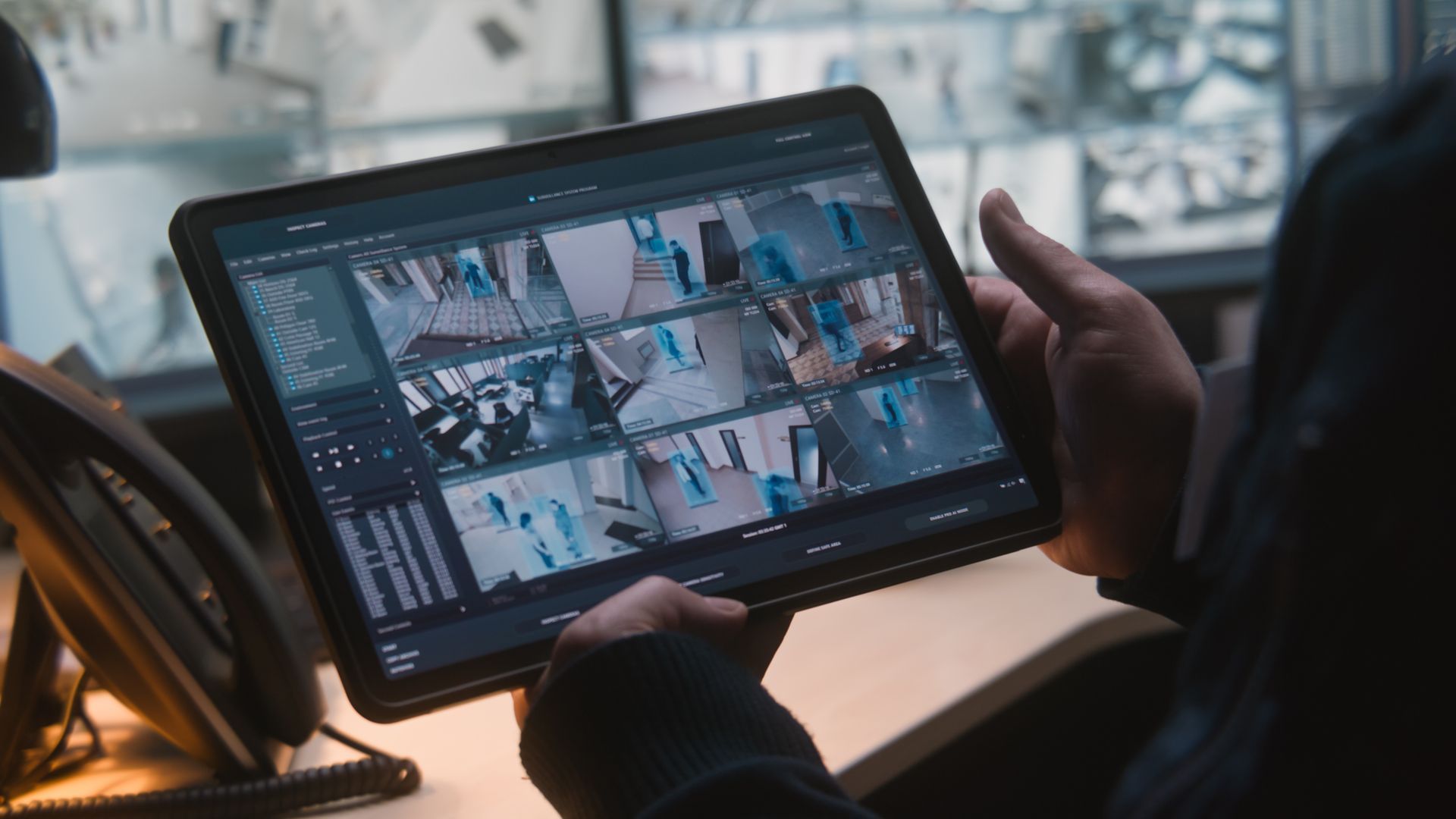
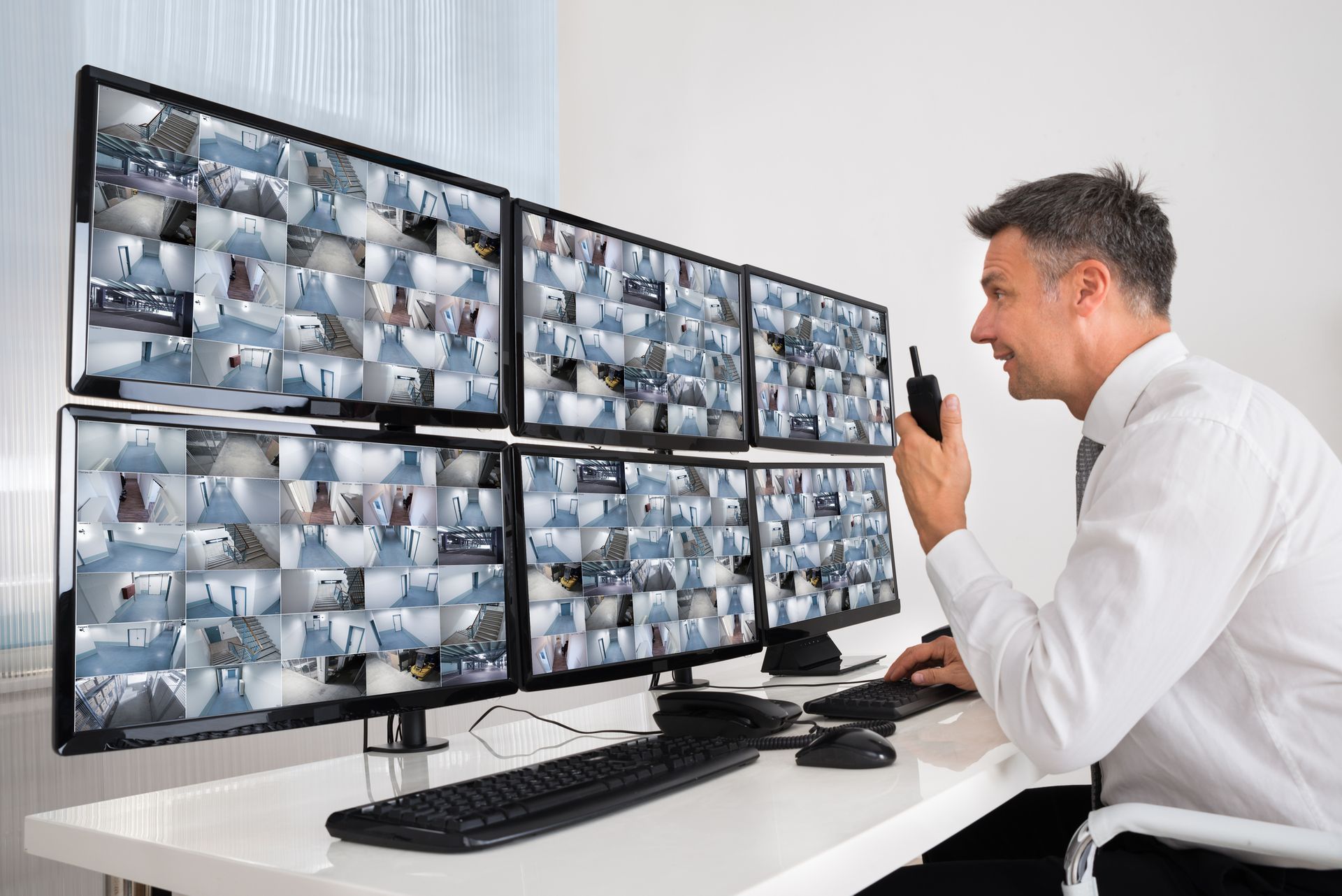
Choosing the right number of cameras for your business video surveillance system is one of the most practical decisions an Omaha business owner will face. Too few cameras leave blind spots that put your property and people at risk. Too many mean unnecessary spending and a harder-to-manage system. This guide walks through the key factors that shape the right camera count, with examples drawn from common business types.
Key Factors That Determine Your Camera Count
The right number of cameras depends on your facility's size, layout, and risk profile. No single number fits every business. A 500-square-foot retail shop in Aksarben Village has very different needs than a 50,000-square-foot warehouse near I-80.
Most businesses share the same starting questions: How many entry and exit points exist? Where are the high-value or high-risk areas? Are there spaces where employees or customers gather without direct line of sight from a single fixed point?
Square footage matters, but it is not the only factor. A compact facility with multiple rooms, corridors, or partitioned spaces may need more cameras than a larger open-floor warehouse. Coverage is about eliminating blind spots, not just blanketing square footage.
Entry and exit points are typically the highest priority. Every exterior door, loading dock, employee entrance, and parking lot access lane generally warrants at least one camera. Businesses with after-hours operations or deliveries should consider business video surveillance coverage that captures activity during low-light or overnight hours.
Camera Placement Best Practices
How well your business video surveillance system performs depends on effective placement, not camera quantity alone. Each camera should serve a specific, deliberate purpose. Some reliable placement principles include:
▸ Cover all primary entry and exit points first, including front doors, rear exits, and side entrances.
▸ Position cameras at cash registers, safes, or server rooms where high-value assets are present.
▸ Eliminate interior blind spots in hallways, stairwells, and break rooms where you may later need footage of an incident.
▸ Ensure parking lot coverage captures vehicle and foot traffic approaching the building.
▸ Place cameras high enough to avoid tampering but low enough to capture usable facial detail.
Winters bring early sunsets along with snowy and icy conditions that can affect outdoor camera clarity and foot traffic patterns. For exterior placements, choose weatherproof cameras built to perform in low light.
What Business Types Typically Need
Retail Stores
A mid-size retail store or in a commercial strip may need cameras covering the sales floor, fitting room corridor, register area, stockroom entrance, and front and rear exits. That can range from a handful of cameras to more than a dozen depending on layout complexity.
Warehouses and Industrial Facilities
Warehouses in industrial districts often have expansive floor areas, loading docks, and multiple entry points. These facilities benefit from wide-angle cameras covering large floor zones and closer-range cameras focused on dock doors, inventory areas, and office entry points. Their size usually pushes the camera count above that of a retail space of similar value.
Professional Offices
Office environments in the suburbs or the downtown business district typically require fewer cameras but benefit from precise placement. Common coverage points include the lobby, server room, conference rooms, and employee parking access. A single-floor office with one entry point may need a modest setup, while a multi-floor building with shared tenant access may need significantly more coverage.
How Does Building Access Affect Camera Count?
Integrating your business video surveillance system with access control can reduce the total number of cameras needed. When card access control is in place, every credentialed entry event is already logged. Cameras can then verify those events rather than monitor every movement independently. This pairing can make a smaller, targeted camera layout just as effective as a much larger camera-only system.
When Should You Request a Professional Site Assessment?
A professional site assessment is the most reliable way to determine the right camera count for your specific facility. If your building has recently changed layout, expanded, or shifted operations, a walkthrough by a security professional can identify coverage gaps that are easy to miss on paper. Request an assessment as well if you have experienced incidents, changed operating hours, or added high-value equipment or inventory.
An on-site review looks at ceiling height, lighting, entry paths, interior partitions, and existing infrastructure. It moves you from a general estimate to a system designed for your actual building.
Get the Right System for Your Facility
Protecting your business takes an assessment tailored to your site. Sentrixx Security works with businesses across Omaha, Lincoln, and across the state of Nebraska, to design commercial video surveillance systems built around each facility's specific layout, operations, and risk profile. Whether you run a retail shop in Midtown, a warehouse near industrial parks, or a multi-floor office, the team can help you determine exactly how many cameras you need and where they belong.
Ready to get a clear picture of your business video surveillance coverage?
Request a security assessment or call
(402) 939-5299 to schedule your free site survey with Sentrixx Security today.